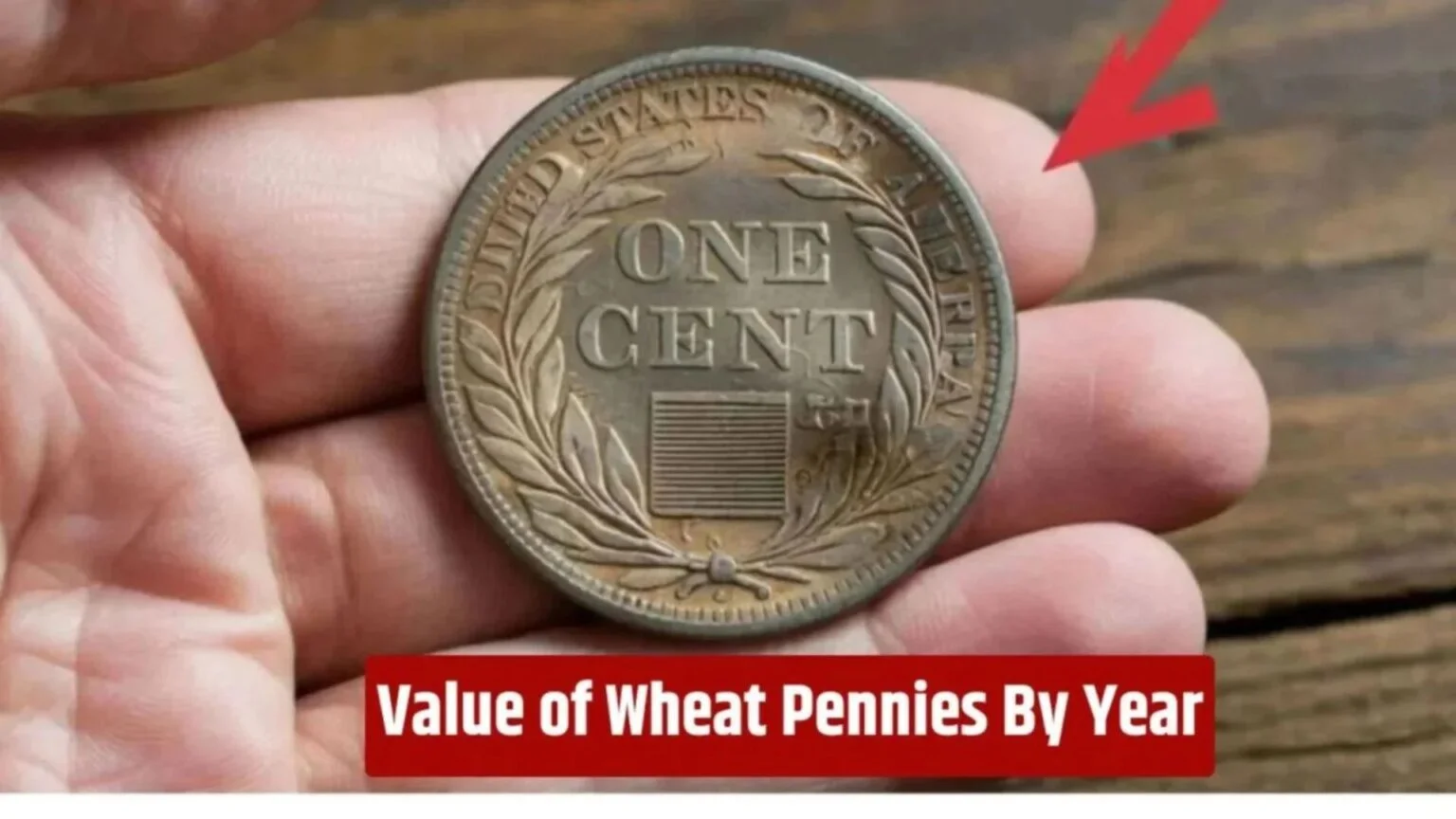
The Lincoln Wheat Penny, minted from 1909 to 1958, remains one of the most beloved coins among collectors and history enthusiasts.Value of Wheat Pennies Known for its distinctive “wheat ears” reverse design, this coin not only represents a key part of U.S. numismatic history but also carries significant collectible and investment value depending on its year, condition, and rarity.
Overview of Wheat Pennies
The Wheat Penny, officially called the Lincoln Cent, was first introduced in 1909 to honor the 100th anniversary of Abraham Lincoln’s birth. Designed by Victor D. Brenner, the coin features Lincoln’s portrait on the obverse and two wheat stalks on the reverse.
Minted primarily in Philadelphia (no mint mark), Denver (D), and San Francisco (S), the series includes some of the most famous error and rare-date coins in U.S. history.
Wheat Penny Values by Year (General Guide)
| Year | Mint Marks | Average Circulated Value | Uncirculated (Mint State) Value |
|---|---|---|---|
| 1909 VDB | None | $10 – $25 | $50 – $300+ |
| 1909-S VDB | S | $700 – $1,500+ | $2,000 – $3,500+ |
| 1910–1915 | P, D, S | $0.20 – $5 | $10 – $75 |
| 1914-D | D | $150 – $500+ | $1,000 – $3,000+ |
| 1917–1925 | P, D, S | $0.15 – $3 | $5 – $50 |
| 1922 (No D) | — | $200 – $800+ | $1,500 – $4,000+ |
| 1931-S | S | $75 – $125 | $150 – $250 |
| 1930s Common Dates | P, D, S | $0.10 – $1 | $2 – $25 |
| 1943 Steel | P, D, S | $0.15 – $3 | $5 – $50 |
| 1943 Copper (Error) | — | $150,000 – $250,000+ | $300,000+ |
| 1944–1958 | P, D, S | $0.05 – $0.50 | $1 – $10 |
Note: Values are approximate and depend heavily on condition and market demand.
Key Rare Wheat Pennies
-
1909-S VDB – The most famous and sought-after Wheat Penny due to its low mintage of only 484,000 coins.
-
1914-D – One of the hardest early Lincoln cents to find in high grade.
-
1922 No D – A minting error from the Denver Mint where the “D” mint mark was accidentally omitted.
-
1931-S – Another low-mintage coin from the Great Depression era.
-
1943 Copper Penny – A legendary rarity caused when a few copper planchets were accidentally used instead of steel during WWII.
Factors That Affect Wheat Penny Value
-
Condition/Grade: The better the coin’s condition, the higher its value. Coins are graded from Good (G) to Mint State (MS-70).
-
Mint Mark: Coins minted in San Francisco (“S”) or Denver (“D”) often have smaller production runs, increasing their rarity.
-
Errors & Varieties: Doubled dies, repunched mint marks, and missing letters can significantly raise a coin’s price.
-
Historical Demand: Coins with unique historical stories (like the 1943 Copper Cent) attract strong collector interest.
Tips for Collectors
-
Handle with Care: Use cotton gloves and store coins in protective holders to prevent damage.
-
Look for Red Coloration: Original red (RD) Wheat Pennies are more valuable than brown (BN) or red-brown (RB) tones.
-
Get Coins Graded: Professional grading by PCGS or NGC can authenticate and maximize a coin’s resale value.
-
Build Sets by Year: Many collectors aim for a complete 1909–1958 set, which can be an enjoyable and educational journey.
Conclusion
The value of Wheat Pennies varies widely—from just a few cents to hundreds of thousands of dollars. Whether you’re a new hobbyist or a seasoned collector, understanding the key years, mint marks, and conditions will help you make smart collecting decisions and perhaps even uncover a hidden treasure in your coin jar.
FAQs
Q1: What is the rarest Wheat Penny?
The 1943 Copper Penny and the 1909-S VDB are considered the rarest and most valuable Wheat Pennies.
Q2: Are Wheat Pennies still in circulation?
They are rarely found today, but occasionally a Wheat Penny may turn up in loose change.
Q3: How can I tell if my 1943 penny is copper or steel?
Use a magnet—steel cents stick to it, copper ones do not. Copper 1943 pennies are extremely rare.
Q4: Do Wheat Pennies made after 1944 have value?
Most post-1944 Wheat Pennies are common, though uncirculated examples or those with minting errors can be worth more.
Q5: Where can I sell my Wheat Pennies?
You can sell them through coin dealers, auctions, or reputable online marketplaces specializing in numismatics.